Confidence changes everything. When children believe in themselves, they approach learning with curiosity, courage, and persistence. A confident learner does not stop when something feels hard. They keep going because they understand that progress takes patience, practice, and support.
Helping students develop confidence is about more than offering praise. It means creating a learning environment where children feel capable, valued, and proud of what they achieve. Below are ten practical, classroom-tested strategies that build confidence and help learning stick.
1. Celebrate Progress, Not Perfection
Growth happens one step at a time. Celebrate improvement, effort, and perseverance, not just perfect results.
Try using a Daily Skills Tracker or a Progress Chart to make growth visible. These visual cues help students see how far they have come and reinforce pride in their learning.

2. Give Students a Voice
Confidence grows when learners feel heard. Invite students to share opinions, explain their thinking, or lead short activities.
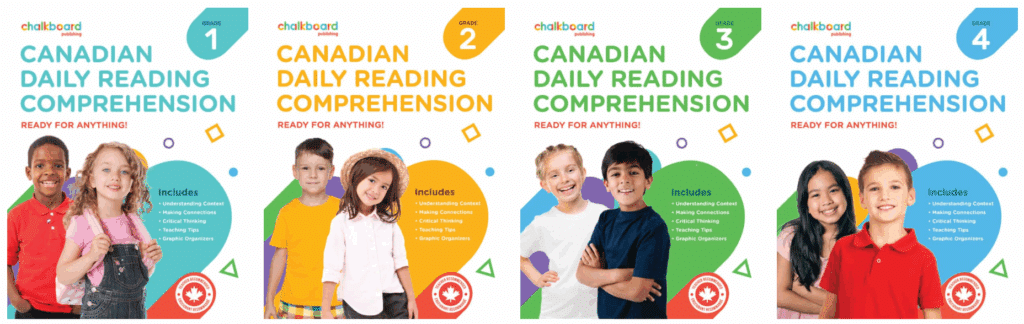
The reflection prompts in our Reading Comprehension Series make it easy to spark discussion and help students articulate their understanding.
3. Model Mistakes
Show students that mistakes are a natural and valuable part of learning. When you model making and correcting mistakes, you teach problem-solving, resilience, and the idea that improvement is always possible.

4. Create Predictable Routines
Consistency builds trust. A familiar daily rhythm helps students feel secure and ready to learn.
Many teachers and families start the day with Daily Math Skills or Daily Language Skills from the Chalkboard Daily Practice Series, because predictable routines support confidence and long-term retention.

5. Offer Choices
Choice builds ownership. Give students options:
- Choose between two worksheets
- Pick the order of tasks
- Decide how to show understanding (drawing, writing, presenting)
Resources in Chalkboard Teach are easy to adapt for choice-based learning, letting teachers pull different formats or difficulty levels with one click.
6. Use Positive Language
The right words can transform a student’s confidence. Swap “That’s wrong” for “Let’s try another way.” Positive feedback helps students see effort as the path to success and encourages perseverance.

7. Make Learning Visible
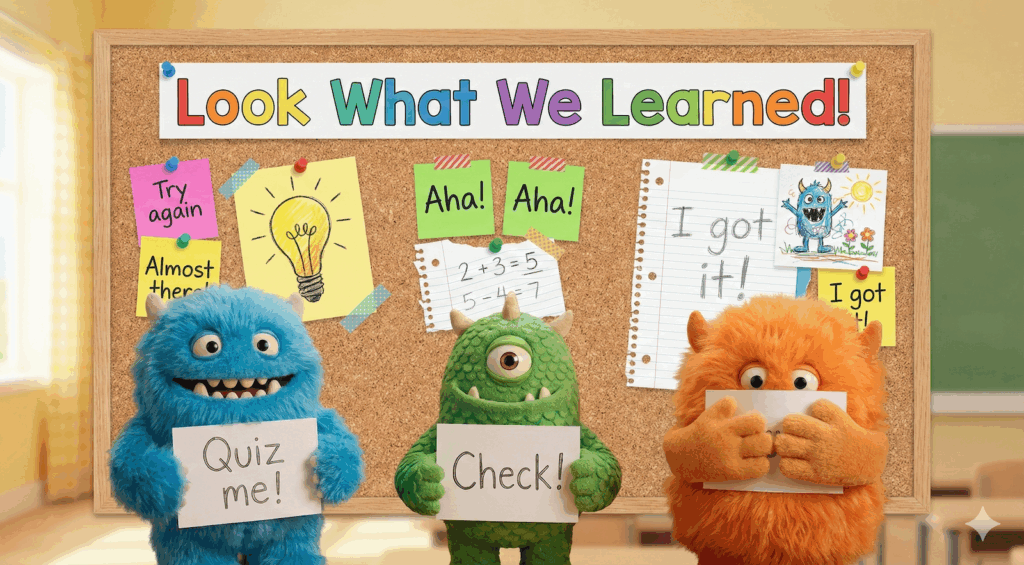
When students can see their own growth, motivation increases. Create a “Look What We Learned” wall, a bulletin board, or a digital slideshow that highlights student progress.
This visual celebration reinforces that their work matters.
8. Set Achievable Goals
Small, specific goals help students build confidence steadily. Support learners in setting weekly targets or unit-based goals that they can realistically achieve.
Breaking learning into manageable steps makes success feel reachable.
9. Encourage Peer Support
Confidence thrives in positive communities. Pair students for peer tutoring, shared reading, or math problem-solving. Teach them how to give constructive, encouraging feedback.
Peer interactions help students realize they are not alone in their challenges and successes.
10. Keep Learning Fun
Play fuels curiosity and confidence. Add creative games, seasonal challenges, hands-on projects, and quick “brain break” activities to keep lessons lively.
Our Time Filler and Daily Skills Workbooks are full of engaging, print-and-go activities that turn learning into something students look forward to.
Building Confidence, One Lesson at a Time
Confidence does not come from having all the answers. It grows through encouragement, consistent routines, meaningful practice, and opportunities to celebrate progress. Whether you teach in a classroom or support learning at home, every child deserves to feel capable, curious, and proud of what they can achieve.
Give your learners tools that strengthen both skill and self-belief.
Explore the Chalkboard Daily Practice Series