Every teacher and parent has experienced it. A student masters a concept one week, and the next week it seems to disappear. The challenge is not just teaching a lesson once. It is helping students remember it, use it, and build on it over time.
Research and classroom experience both show that learning sticks when it is consistent, meaningful, and connected to real understanding. At home or in the classroom, the right approach can turn everyday practice into long-term progress.
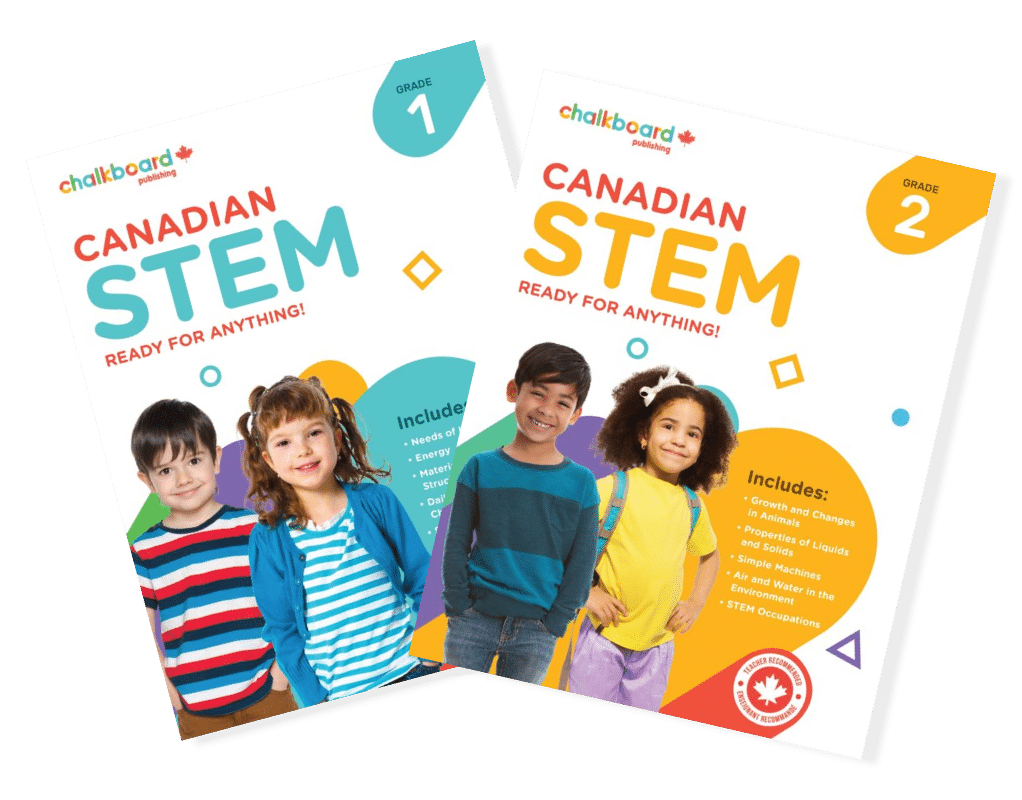
Below are five proven ways to help learning last, with examples from Chalkboard resources that teachers and families rely on across Canada.
1. Practice That Builds Confidence
Repetition matters, but it is how students revisit skills that makes the biggest difference. When practice is spread out over time and gently increases in challenge, it strengthens memory, boosts confidence, and reduces frustration.
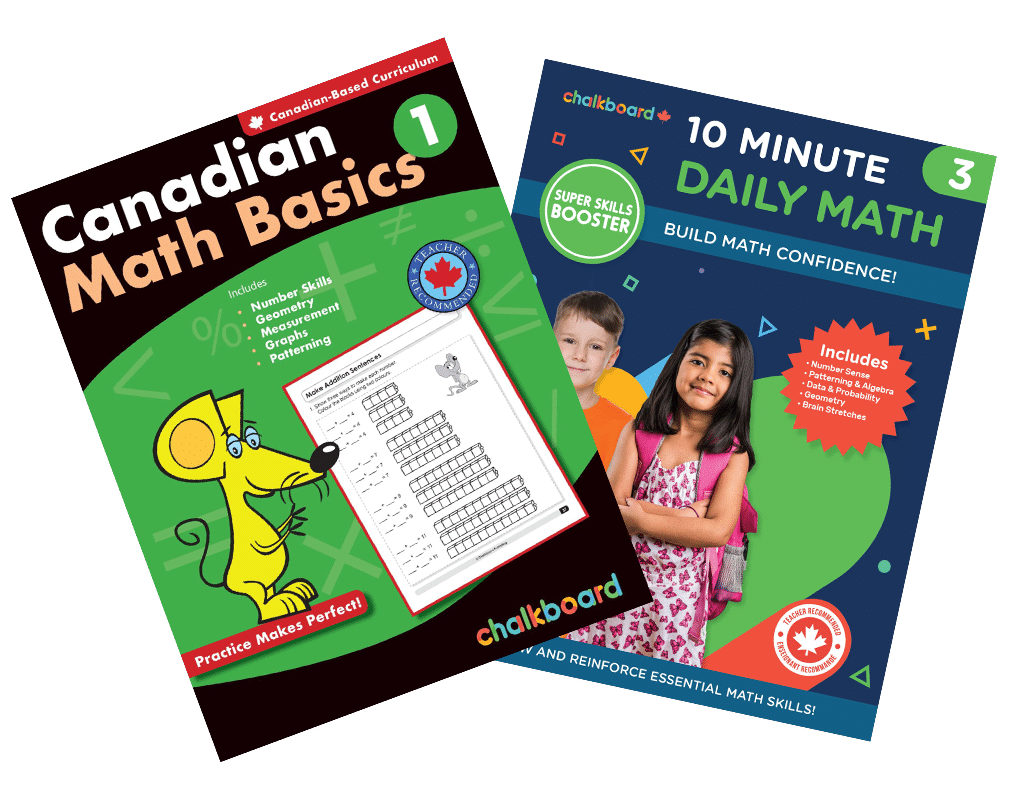
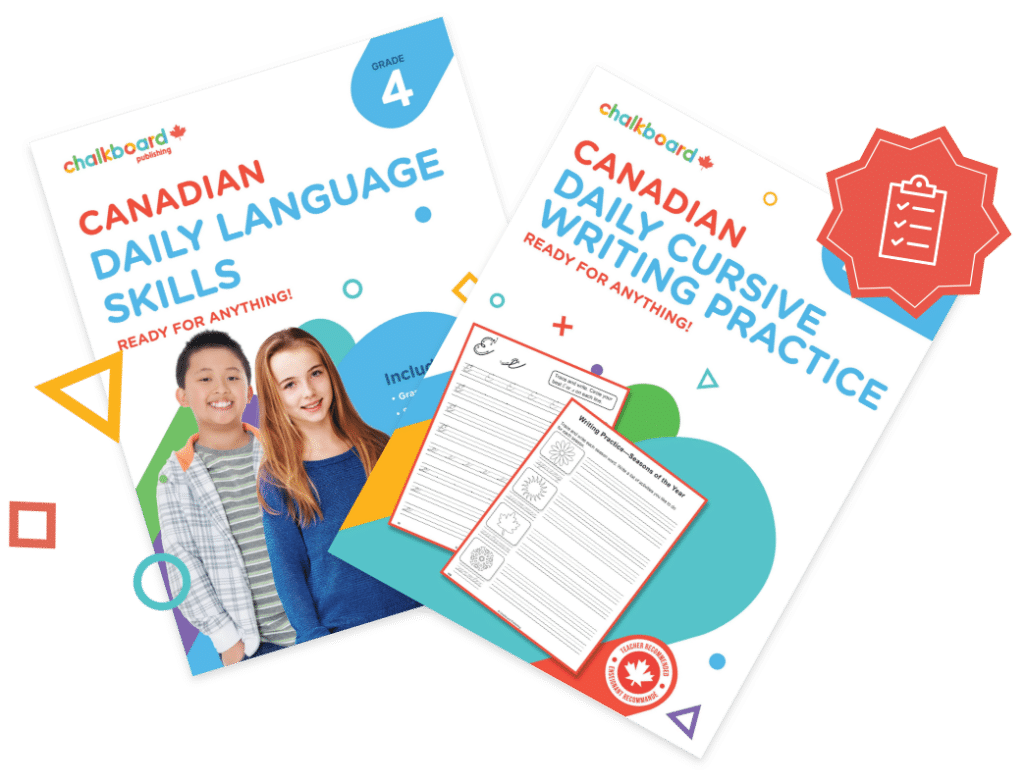
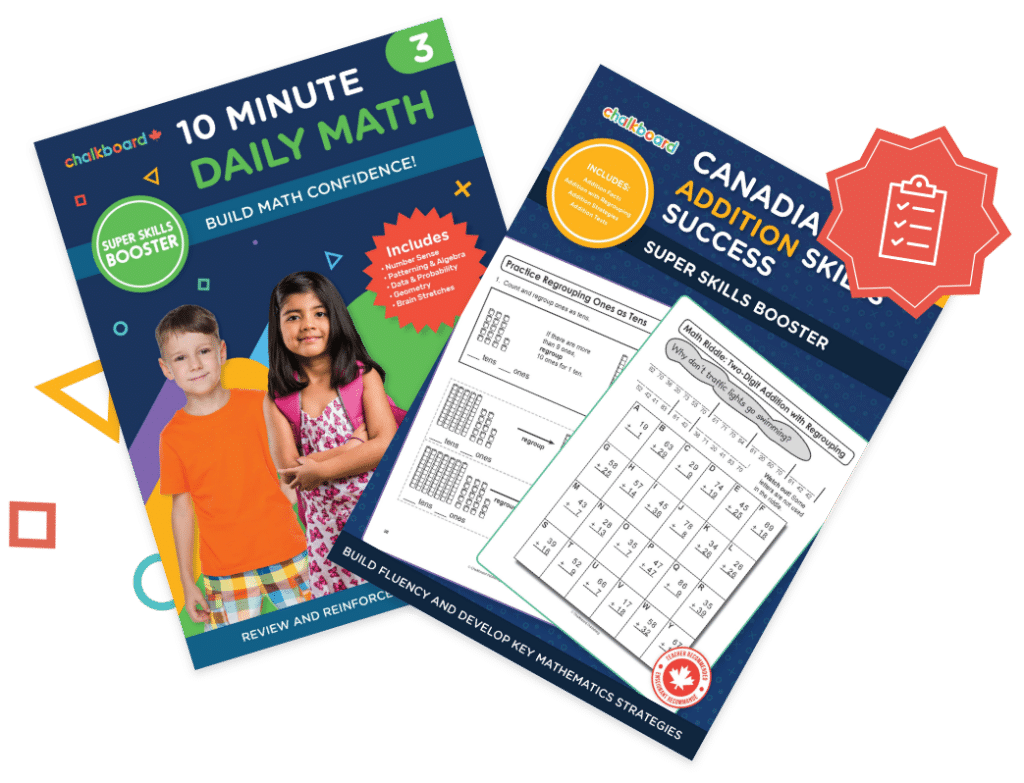
That is why our Daily Math and Daily Language Skills series are built around short, predictable practice. Each page reinforces key concepts while introducing small steps forward. This approach helps students think, “I can do this,” which is the foundation of learning that lasts.
Resources That Build Confidence

2. Connecting the Dots
Students remember best when new learning connects to something familiar. These real-world links act as mental anchors that help turn short-term information into long-term understanding.
For example, dividing snacks or sharing a pizza makes fractions more concrete. Asking questions like “What does this remind me of?” helps students form deeper connections and improves recall.

See It in Action: Fractions That Stick
Real-world examples help students make stronger connections, especially in math.
Here is a quick look at one of our free resources, where students learn by dividing a pie into equal parts.
Using visuals like this helps students anchor new concepts to something they already know, which builds deeper understanding.
3. Active Recall Over Passive Review
Simply rereading notes or repeating the same worksheet offers limited impact. Active recall, i.e. pulling information from memory without looking, has been proven to significantly strengthen retention.
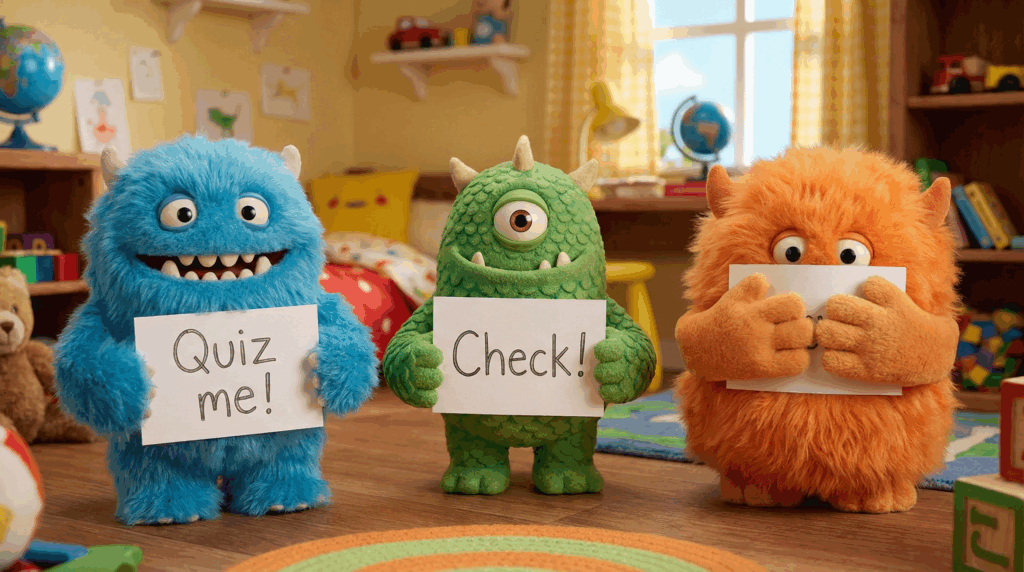
Short quizzes, “cover and check” activities, and quick exit tickets all encourage students to retrieve what they know.
Many of our Reading Comprehension resources include built-in questions after each passage for this exact reason. These short, consistent checks help students stay focused and develop stronger comprehension skills.
4. Making It Meaningful
Students remember what feels meaningful. When a lesson connects to their own experiences or helps them understand their world, learning becomes more memorable.
Teachers and parents can deepen understanding by asking why a skill matters or how it appears in everyday life. Chalkboard’s Science and Social Studies units use Canadian themes and real-world examples to spark curiosity and help students see the value behind what they are learning.

5. Keep It Positive and Playful
A supportive, low-stress environment is one of the most effective tools for long-term learning. When students feel safe, encouraged, and able to make mistakes, they develop resilience. A sense of play keeps motivation high.
Colourful worksheets, short games, and creative review activities can transform routine practice into an experience students look forward to.
Chalkboard resources are designed to keep learning approachable and enjoyable. When students enjoy the process, they remember the content.

Learning That Lasts
Helping learning stick is about more than memorization. It is about confidence, curiosity, and consistent practice. With the right routines, connections, and encouragement, students become more independent and more capable learners.
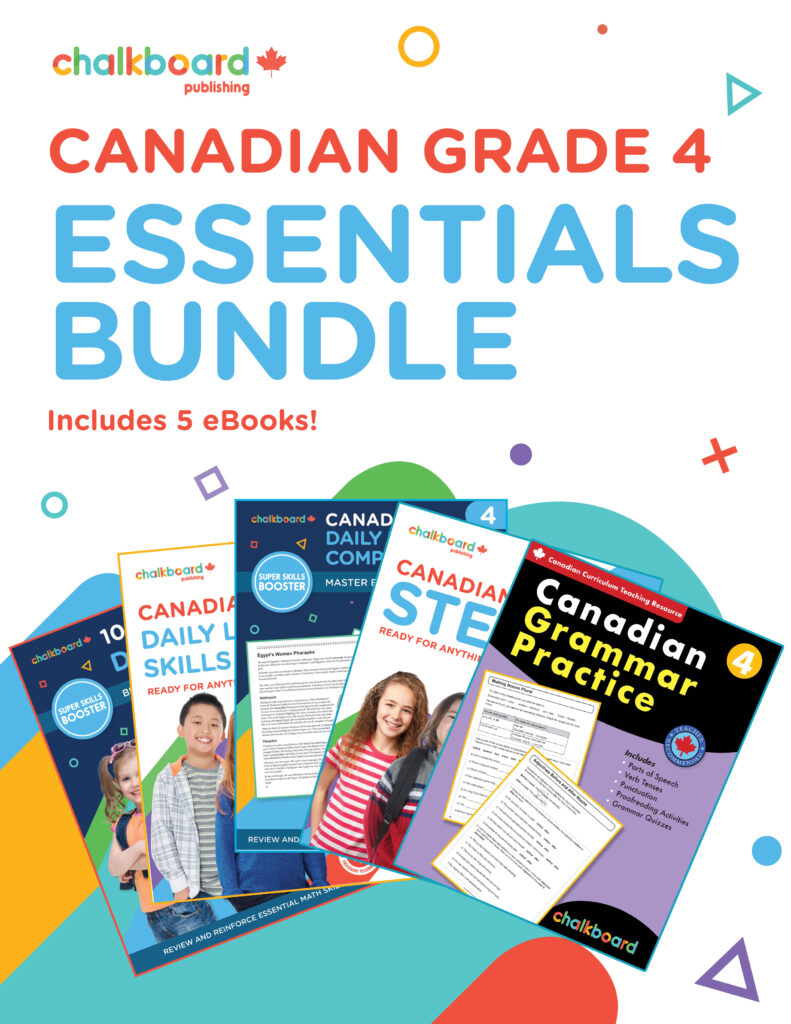
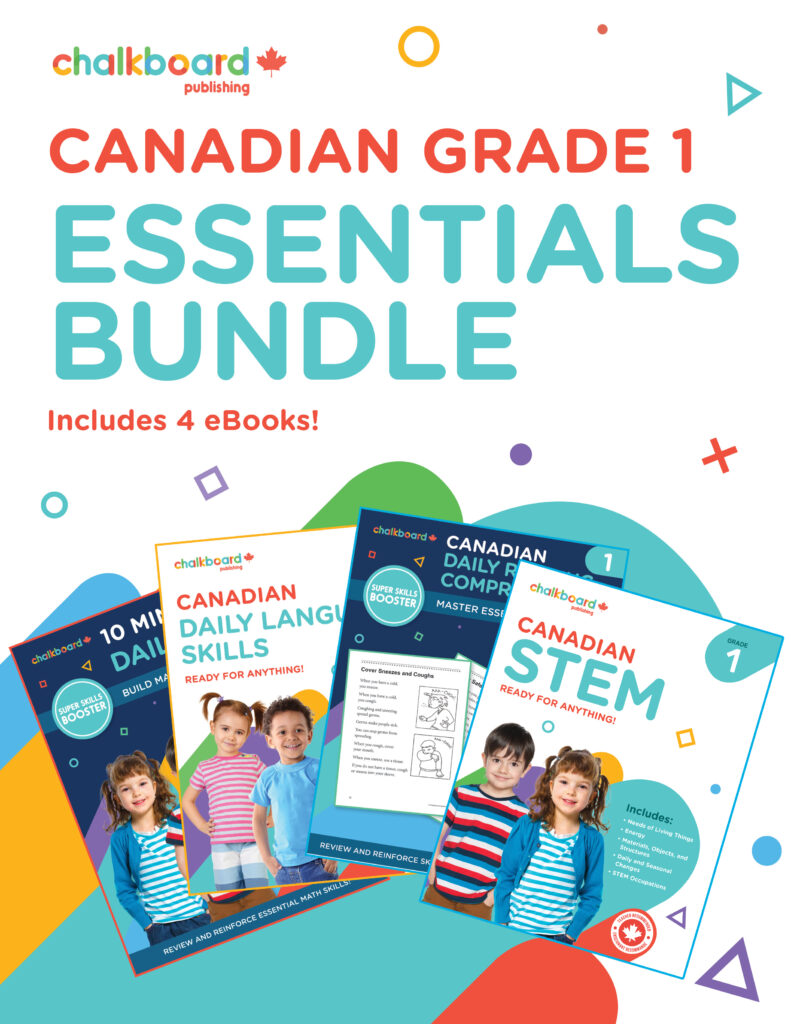
At Chalkboard, our mission is to support that journey. Our Daily Practice series, curriculum bundles, and print-and-go resources help families and educators build strong learning habits in a simple, accessible way.
Chalkboard Teach
Explore the resources teachers and parents trust to build learning that lasts.